In the world of GNSS tech, which keeps changing all the time, the Multi Band Rtk Gnss Antenna really catches your eye. It’s this nifty piece of gear that packs in a bunch of advantages, making positioning more precise and dependable. As tech gets better and better, companies are always trying to improve their products, and this antenna is no exception. The cool thing? Its ability to handle multiple frequency bands means it performs way better in different environments, whether you’re out in the field or on a construction site.
Some of the main perks of the Multi Band Rtk Gnss Antenna are its improved signal reception and resistance to interference. That’s a big deal if you’re working in agriculture, construction, or doing surveying work because it helps you get super accurate results. That said, I know from experience, setting up and installing these can sometimes be a bit tricky. It’s not always straightforward, and understanding all the ins and outs of the antenna can feel overwhelming at first.
Choosing the right model, though, is pretty important. There are so many options out there, not all of them will suit every project or environment. It’s a good idea to take a moment to really think about your specific needs and the conditions you’re working in. Doing that little bit of homework upfront can save you a lot of headaches later on. All in all, the Multi Band RTK GNSS Antenna is a major step forward, but yeah, it pays to consider your options carefully before making a call.

Overview of Multi Band RTK GNSS Antennas in 2026
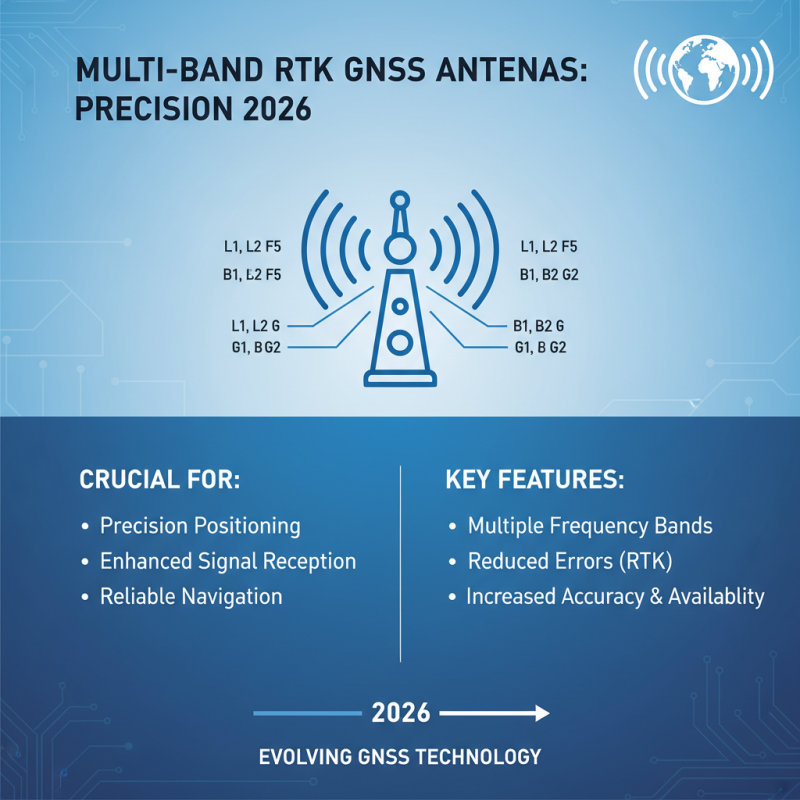
In 2026, multi-band RTK GNSS antennas play a crucial role in precision positioning. These devices support various frequency bands, ensuring better signal reception. As we rely more on GNSS technology, understanding their features becomes essential.
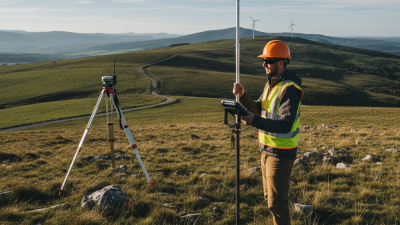
Many applications benefit from multi-band antennas. They enhance accuracy in surveying, agriculture, and construction. These antennas can quickly process signals from multiple satellites. However, environmental factors still pose challenges. Trees and tall buildings can interfere with signals. Users must consider their surroundings when setting up.
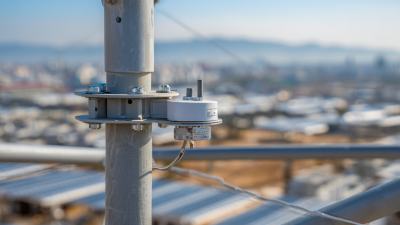
The design of these antennas has improved significantly. New materials make them lighter and more durable. This is essential for mobile applications. Yet, despite the advances, some users may encounter connectivity issues. It’s vital to routinely check equipment performance. Regular maintenance can prevent unexpected downtimes, ensuring reliability in the field.
Key Features of 2026 Multi Band RTK GNSS Antennas
The 2026 Multi Band RTK GNSS antennas present impressive features for enhanced accuracy and reliability. One notable aspect is the ability to receive signals from multiple GNSS constellations. This enhances positioning accuracy to within a few centimeters, crucial for surveying and mapping applications. Research indicates that adopting multi-band technology can reduce multipath errors by up to 50%, offering a clearer signal in complex environments.
Another significant feature is the improved signal processing capabilities. Advanced algorithms in these antennas can filter out noise and interference. This results in stable performance, even in challenging conditions. Studies show that antennas with advanced processing can achieve a fix time that is 30% faster compared to traditional models. Such a benefit can greatly impact time-sensitive projects, reducing delays and costs.
Environmental resilience is also a key attribute of these antennas. Designed to resist harsh conditions, they can operate in varied climates. This robustness can help mitigate downtime and maintenance costs. However, it is essential to consider that even the best antennas may struggle in urban canyons or densely forested areas. Users must evaluate their specific needs and environments to maximize the benefits of these technologies.
Benefits of Using Multi Band RTK GNSS Antennas
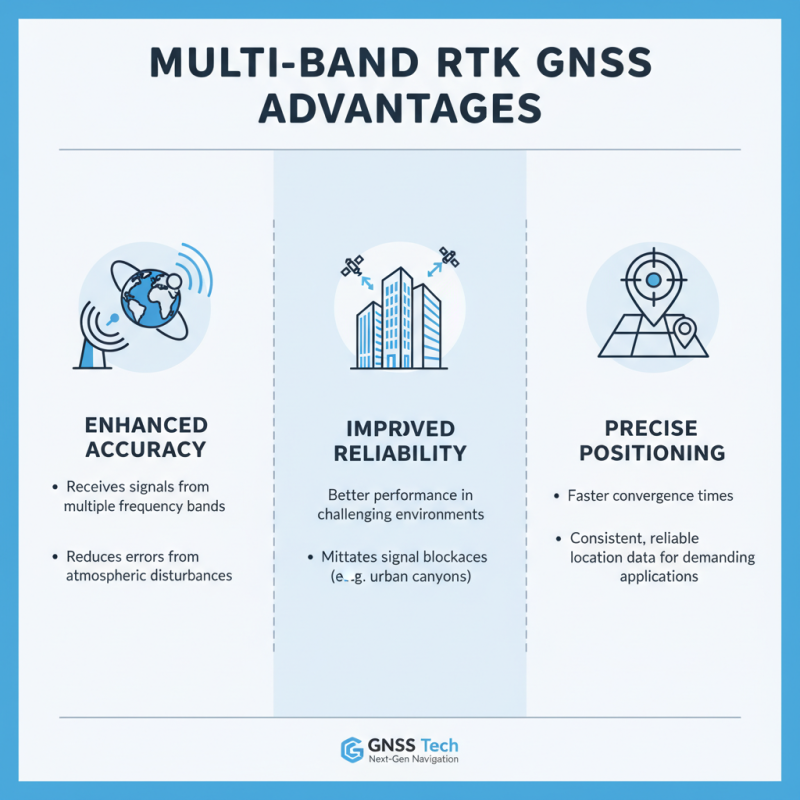
Multi Band RTK GNSS antennas offer several advantages for Precise Positioning. Their ability to receive signals from multiple frequency bands enhances accuracy in various environments. This is particularly useful in urban areas where tall buildings can disrupt signals. With multi-band capability, users benefit from improved reliability and better performance.
A significant benefit of using these antennas is their resistance to interference. Multi Band RTK GNSS antennas work well in areas with signal blockage. They can utilize signals from different bands to maintain a solid connection. This feature is crucial for applications like land surveying and agriculture, where precision is paramount.
Tips: Choose a Quad Band Gnss antenna for optimal versatility. Ensure it meets your specific project requirements. Consider environmental factors like obstructions that could affect performance. Testing different antennas in real-world scenarios can provide insights into their effectiveness. Don't overlook the importance of firmware updates. Keeping your system updated ensures continued reliability and access to advancements in technology.
Comparative Analysis: Single Band vs Multi Band RTK GNSS Antennas
In the evolving landscape of GNSS technology, understanding the difference between single band and Dual Band Gnss antennas is crucial. Multiband RTK GNSS antennas operate on multiple frequency bands, improving accuracy and reliability. A 2021 industry report revealed that multiband systems can reduce positioning errors by up to 50% in challenging environments. This reflects the growing preference for more advanced systems in surveying and precision agriculture.
Single band antennas, while typically more affordable, often struggle in areas with signal obstructions or multipath effects. This can lead to increased errors and unreliable data. A study showed that users of single band antennas experience an average downtime of 15% due to signal loss. In contrast, dual band GNSS antennas yield a more stable connection, mitigating potential disruptions.
Adoption of multiband solutions continues to rise, driven by their performance advantages. However, one should not overlook the economic implications. The upfront cost of dual band antennas can be substantial. Users must weigh the benefits against their budget constraints. Ultimately, the choice depends on specific application needs and environmental conditions.
Applications of Multi Band RTK GNSS Antennas in Various Industries
Multi band RTK GNSS antennas have found extensive applications across various industries. In agriculture, precision farming relies heavily on these antennas. They enable accurate mapping of fields and efficient resource management. According to a 2022 report by the International Society of Precision Agriculture, incorporating multi band GNSS technology can improve crop yields by up to 15%. This is due to enhanced data accuracy and reduced systemic errors.
In construction, the benefits are equally significant. Multi band antennas support real-time positioning for machinery and surveying tasks. This leads to increased efficiency and safety on construction sites. A recent study revealed that projects utilizing Dual Band Gnss Modules reduced completion times by approximately 20%. However, some challenges remain. Users often report difficulties in maintaining clear signal reception in urban environments.
Transportation and logistics also leverage these antennas. Fleet management systems rely on accurate location data to optimize routes and reduce fuel consumption. A 2021 industry report indicated that GPS improvements could cut logistics costs by 10-15%. Despite these benefits, the technology's adoption can be inconsistent. Some operators struggle with the high initial costs of advanced multi band systems, which can deter smaller enterprises from fully integrating their capabilities.
Future Trends in Multi Band RTK GNSS Technology
The future of multi-band RTK GNSS technology looks promising, with several evolving trends shaping its trajectory. One key development is the increased adoption of open standards. As this technology becomes more accessible, users can expect better compatibility across devices. The interoperability of systems will likely improve accuracy and enhance the user experience.
Another trend is the rise of compact, lightweight antennas. These designs will make it easier for professionals to carry and deploy equipment in the field. In urban environments, such antennas can mitigate signal interference, providing a more reliable positioning solution. However, the miniaturization process often comes with challenges, such as maintaining performance under various conditions.
Moreover, the integration of artificial intelligence in GNSS technology is an exciting frontier. AI algorithms can analyze data more efficiently, leading to faster processing times. This can be crucial in time-sensitive applications like surveying and construction. Yet, as we embrace AI, it's vital to consider ethical implications and data privacy issues. The rush for advancement must be balanced with accountability.
Best Practices for Choosing a Multi Band RTK GNSS Antenna
Choosing the right Multi Band Rtk Gnss Antenna is crucial for precise positioning. Consider antenna frequency. Multi-band models often cover GPS, GLONASS, Galileo, and BeiDou. A recent industry report states that antennas with wider frequency coverage can improve accuracy by up to 20%. This is vital for sectors like agriculture and construction, where precision matters.
Evaluate the antenna gain. Higher gain results in better signal reception. For instance, antennas with gains above 5 dB can receive weaker signals more effectively. Look for models that provide a signal-to-noise ratio of at least 30 dB. Remember, the installation site affects performance too. Obstacles like buildings or trees can disrupt signals.
Check for durability and weather resistance. Antennas must withstand harsh conditions. Models rated for extreme temperatures and moisture tend to last longer. However, many users overlook maintenance needs. Regularly inspect connections and clean the antenna. It’s a small step that can prevent major issues later. Focus on these aspects to enhance your RTK GNSS antenna choice.
Enhancing Precision in Geospatial Data Collection: Insights from the AP60 Vision GNSS Receiver's Performance Metrics
In the realm of geospatial data collection, precision is paramount. The performance metrics derived from advanced GNSS receivers play a critical role in ensuring that collected data meets the highest standards of accuracy. Recent advancements in GNSS technology have led to significant enhancements in data clarity and reliability, thereby enabling professionals to make informed decisions based on precise geospatial data. These improvements are driven by innovations in signal processing techniques and the integration of multi-frequency capabilities, resulting in a transformative impact on surveying and mapping industries.
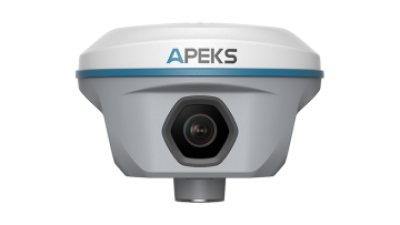
The AP60 Vision GNSS receiver exemplifies the evolution of geospatial technology, providing users with enhanced satellite tracking and improved resilience in challenging environments. By leveraging multi-constellation GNSS signals, this receiver increases data recovery rates and delivers higher positioning accuracy even in urban canyons or densely forested areas. Professionals relying on this advanced technology benefit from real-time data that reflects the true position, leading to optimized workflows, reduced errors, and enhanced project outcomes. Such performance metrics are invaluable for sectors ranging from agriculture to construction, where precise geospatial data is essential for operational efficiency and success.
FAQS
: The service aims to provide users with information and support. It helps in decision-making.
You can access it through various digital platforms. Just ensure your device is connected to the internet.
Basic access is often free, but some features may require payment. Always check the latest terms.
Users can find tips, guides, and useful resources. Each piece of information is designed to assist you.
The information is reviewed and updated periodically. However, it may not always reflect the latest trends.
Yes, the service is available in several languages. Yet, some resources may only be in English.
You can report issues via the support section. Sometimes, responses may take longer than expected.
Yes, user feedback is encouraged. It helps improve the service, though not all suggestions will be implemented.
There may be forums or discussion groups. However, participation varies, and not everyone engages actively.
Always read the privacy policy. Taking steps to protect your data is crucial, even if policies seem adequate.
Conclusion
In 2026, Multi Band RTK GNSS Antennas have become essential tools across various industries, offering superior accuracy and reliability for precise positioning. These antennas boast key features such as enhanced signal reception from multiple satellite constellations, improved robustness against interference, and increased versatility in different environments. The benefits of using Multi Band RTK GNSS Antennas include higher data accuracy, reduced downtime, and the ability to operate in challenging conditions, making them preferable over single band alternatives.
Additionally, the application of Multi Band RTK GNSS Antennas spans diverse fields like surveying, agriculture, and construction, where precision is critical. As technology advances, future trends are expected to further enhance the capabilities of these antennas, ensuring they remain a top choice for professionals seeking reliable positioning solutions. Best practices for selecting a Multi Band RTK GNSS Antenna include considering factors such as environmental conditions, intended use, and compatibility with existing systems to maximize performance.